My first real job was washing dishes. The dishwasher and I are still coworker...
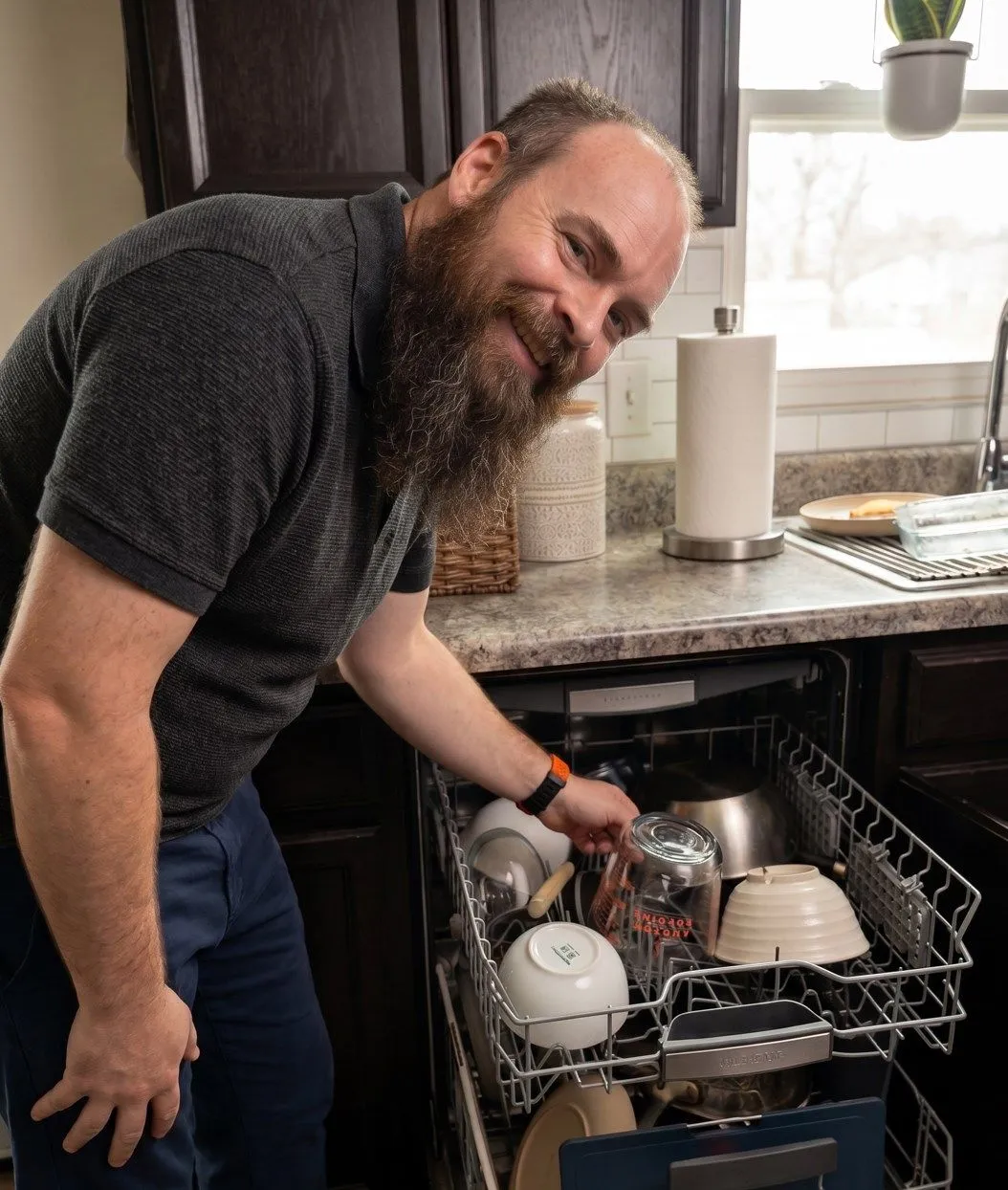
My first real job was washing dishes. The dishwasher and I are still coworkers, apparently. The reason that job mattered wasn't the scrubbing... once the racks were clean, they let me prep next to the cooks, where I picked up more than I would've guessed.
The New York Fed found that remote work can explain about 64% of the recent rise in unemployment among young college grads (Emanuel, Harrington & Pallais, June 2026). It was climbing before ChatGPT showed up, which pokes a hole in the tidy "AI ate the entry-level jobs" story going around.
Those stories in light of that data got me thinking When you're new, most of what you actually learn doesn't come from the task in front of you. It comes from being near people who are better than you (overhearing the correction, watching which pitch works, asking the dumb question before it turns into a real problem). Remote work quietly cut that channel, and it costs the youngest people the most.
I say that as someone who works remotely and genuinely likes it. On the other hand, a lot of the growth I've had to chase down on purpose these last few years probably would've come on its own if I'd spent more of that time in a room with the right people.
There's an older pattern under it too: the companies at the top can just hire people who already have the skills, so nobody feels much pressure to grow their own (until there's a gap, which is roughly where we are). AI pushes from the other side... the "trivial" grunt work an intern used to cut their teeth on is exactly what we're automating away first, removing those chances to grab more responsibility when the grindy work is finished for the day.
Back to that kitchen. The grind was the price of admission to the room where the real learning happened. I don't know what the version of that is when the grind gets automated and the room is a grid of faces on a screen.
So I'm asking, not concluding. If you're building a team right now, how are you giving newer people that over-the-shoulder kind of learning remotely? Or are we quietly deciding the next generation just figures it out on their own? Beyond your team, are you mentoring or taking actions (intentional or not) that you see as countering this?
(I used AI to tweak the lighting on this photo but this is me in my kitchen dishes still hot)