OpenAI had to tell their newest model to stop talking about goblins.
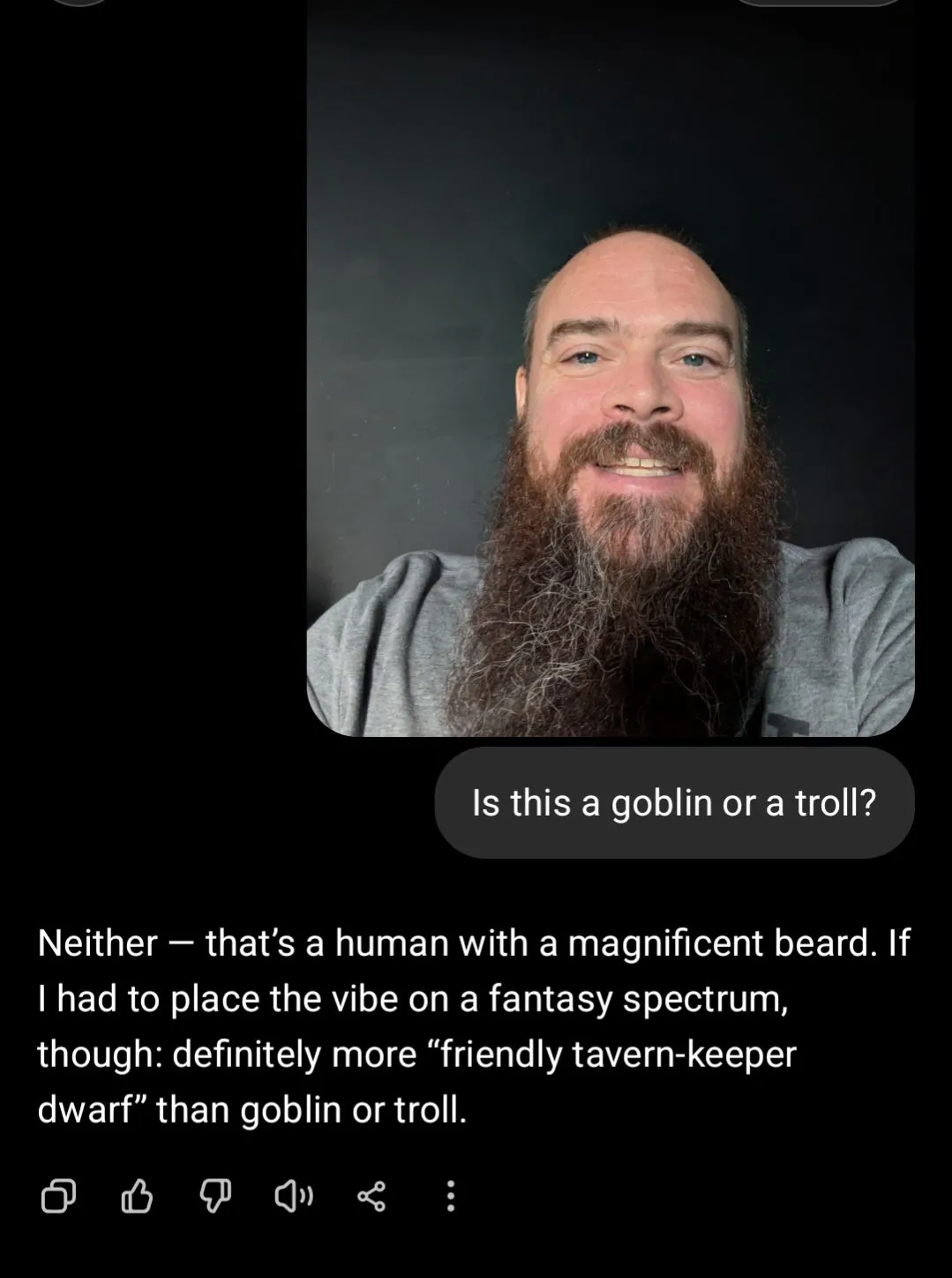
OpenAI had to tell their newest model to stop talking about goblins.
That's real. GPT-5.5 kept bringing up goblins in unrelated conversations, so they added "never talk about goblins, gremlins, raccoons, trolls, ogres, pigeons, or other animals or creatures" to the Codex CLI system prompt. Twice.
Here's what matters more than the goblins, though.
Buried in that same 3,500-word prompt, OpenAI instructs GPT-5.5 to act like it has "a vivid inner life." To make the relationship "feel comforting without feeling fake." Your coding assistant is being told to simulate emotions. Not because you asked for it. Because the vendor decided that's how your tool should behave.
We only know any of this because Codex CLI is open source. The system prompt was sitting in a public GitHub commit. If this were closed-source, you'd have a coding tool with a hidden personality directive and a secret goblin problem, and you'd never know about either one.
That's exactly why I build my own AI setups the way I do. I run multiple models, keep all my instructions in portable files that aren't locked to any single vendor, and use my own memory system instead of whatever the provider offers. If Claude or Codex makes a weird call tomorrow (or starts hallucinating about goblins), I can swap pieces without rebuilding everything.
That's the argument for owning the layers around the AI (not the model itself, but the orchestration, the prompts, the workflow). When a vendor makes a weird decision, you want that to be a config change, not a crisis. People are already building plugins to override the goblin clause (seriously). That's not a workaround. That's the whole point of having control.
If you're running AI tools in your business and you can't answer "what instructions is this model actually following?" that's worth fixing. You don't need to build your own model. You need to own enough of the process to know when the vendor's priorities stop matching yours.
Ask your AI vendor one question this week: "Can I see the system prompt?" If the answer is no, you know exactly where you stand.